Engraved Rolls · Made in USA · IR Engraving
Gravure and Rotogravure Print Cylinders

Precision Roll Solutions manufactures custom gravure print cylinders for packaging, flooring, labels, and more.

Precision Gravure Print Cylinders Built for Your Process

Precision-engraved gravure and rotogravure cylinders for flexible packaging, decorative surfaces, labels, and industrial coating. Mechanical, chemical, and laser engraving — including YAG and CO2 laser platforms. Custom cell geometry, depth, and chrome finish built to your press and substrate specifications. Serving converters across the United States and Canada.

 ✓ Serving US & Canadian converters · One of North America's largest mechanical engraving tool libraries 

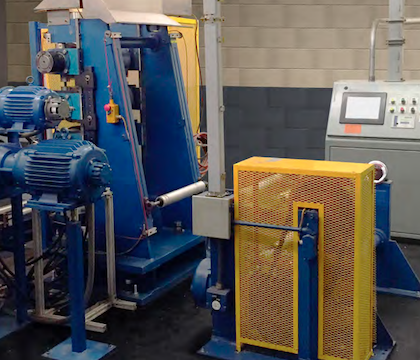
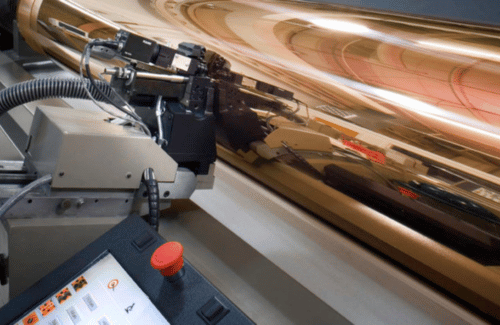
gravure print cylinder

Up to 130"

Max Length

Up to 36"

Max Diameter

Up to 90µm

Max Cell Depth

Since 1947

IR Engraving Heritage

How Gravure and Rotogravure Print Cylinders Work

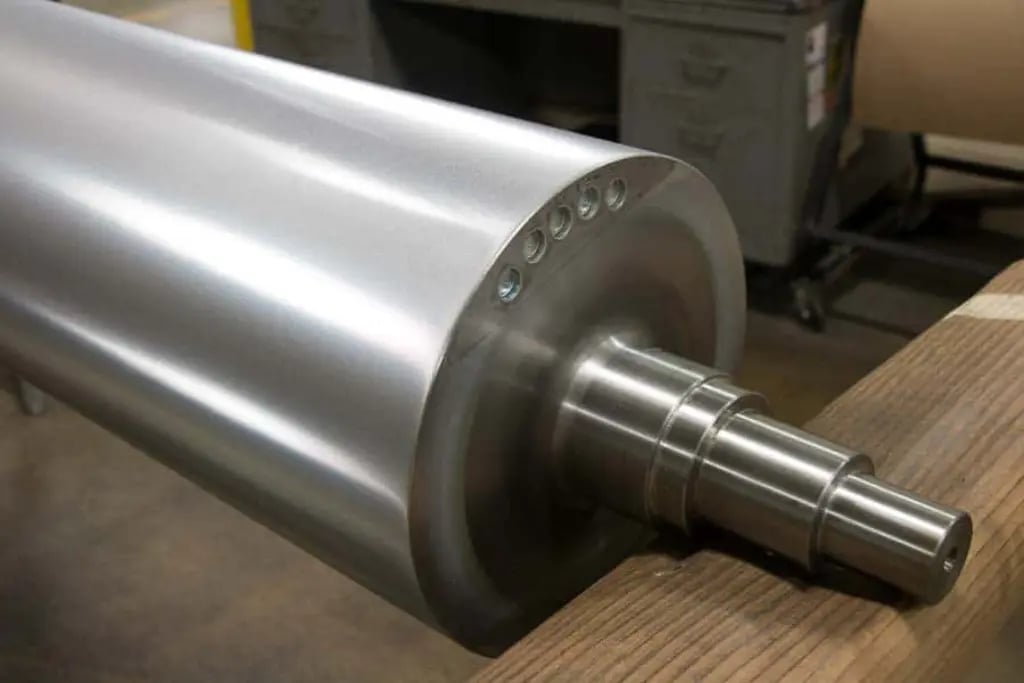
A gravure or rotogravure print cylinder — the terms are used interchangeably across the industry — is a precision-engraved steel cylinder that transfers ink, adhesive, or coating material directly onto a substrate in a continuous rotary printing or coating process. The cylinder's surface is covered with millions of microscopic recessed cells engraved into a copper layer. As the cylinder rotates through an ink bath, the cells fill with ink; a doctor blade wipes the non-image surface clean; and as the cylinder contacts the substrate under impression pressure, the ink transfers from the cells to the material.

The result is a printed or coated surface with exceptional tonal range, consistent ink density, and sharp fine-detail reproduction — characteristics that make rotogravure the preferred process for long-run, high-quality flexible packaging, decorative laminate printing, and industrial coating applications where consistency across millions of impressions is non-negotiable.

PRS gravure cylinders are manufactured by IR Engraving, founded in 1947 and recognized as one of the largest and most capable gravure cylinder producers in North America. IR Engraving operates YAG and CO2 laser platforms capable of engraving cylinders in excess of 31 inches in diameter and 235 inches in length — among the largest laser-engraved gravure cylinders produced anywhere in the world — and maintains one of North America's largest mechanical engraving tool libraries for customers running legacy and OEM press systems.

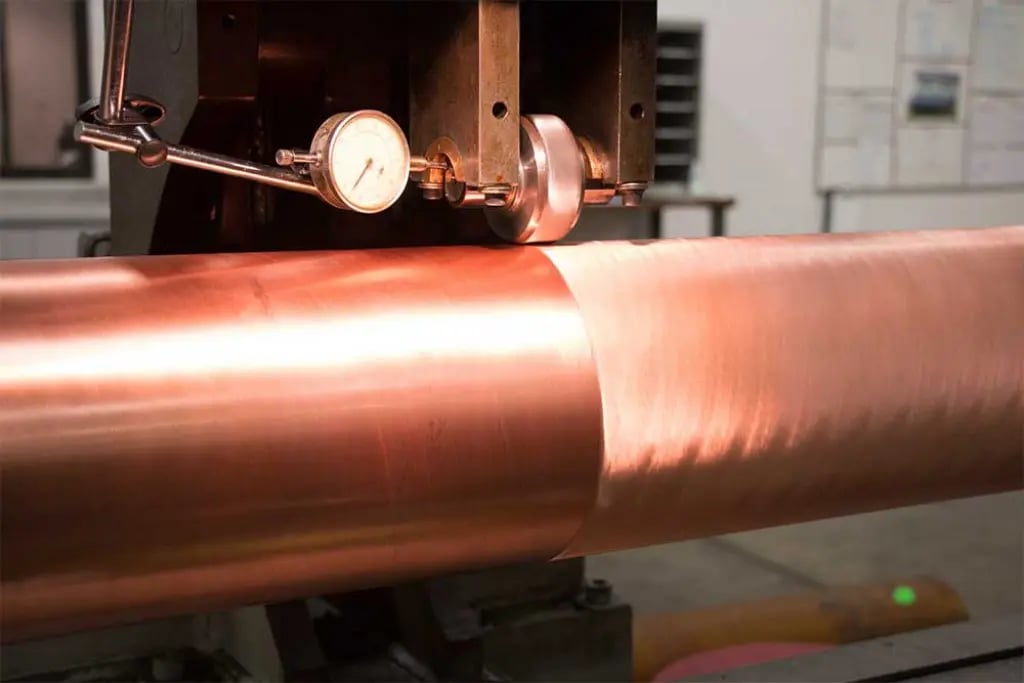
Rotogravure cylinder performance is governed by four interdependent variables: cell geometry (the shape and structure of each engraved cell), cell volume and depth (controlling how much ink each cell carries), screen ruling (the density of cells per linear inch), and the copper and chrome layer specifications (which determine engraving quality and cylinder service life). PRS engineers all four variables in combination, custom to each customer's press, ink system, and substrate.


Gravure & Rotogravure Cylinder Applications by Industry

PRS manufactures gravure and rotogravure print cylinders — in both full cylinder and sleeve formats — across a wide range of printing, coating, and converting markets. Each application requires a different combination of cell geometry, screen ruling, depth, and surface treatment. Our engineering team works with you to match all variables to your press, ink, and substrate requirements.

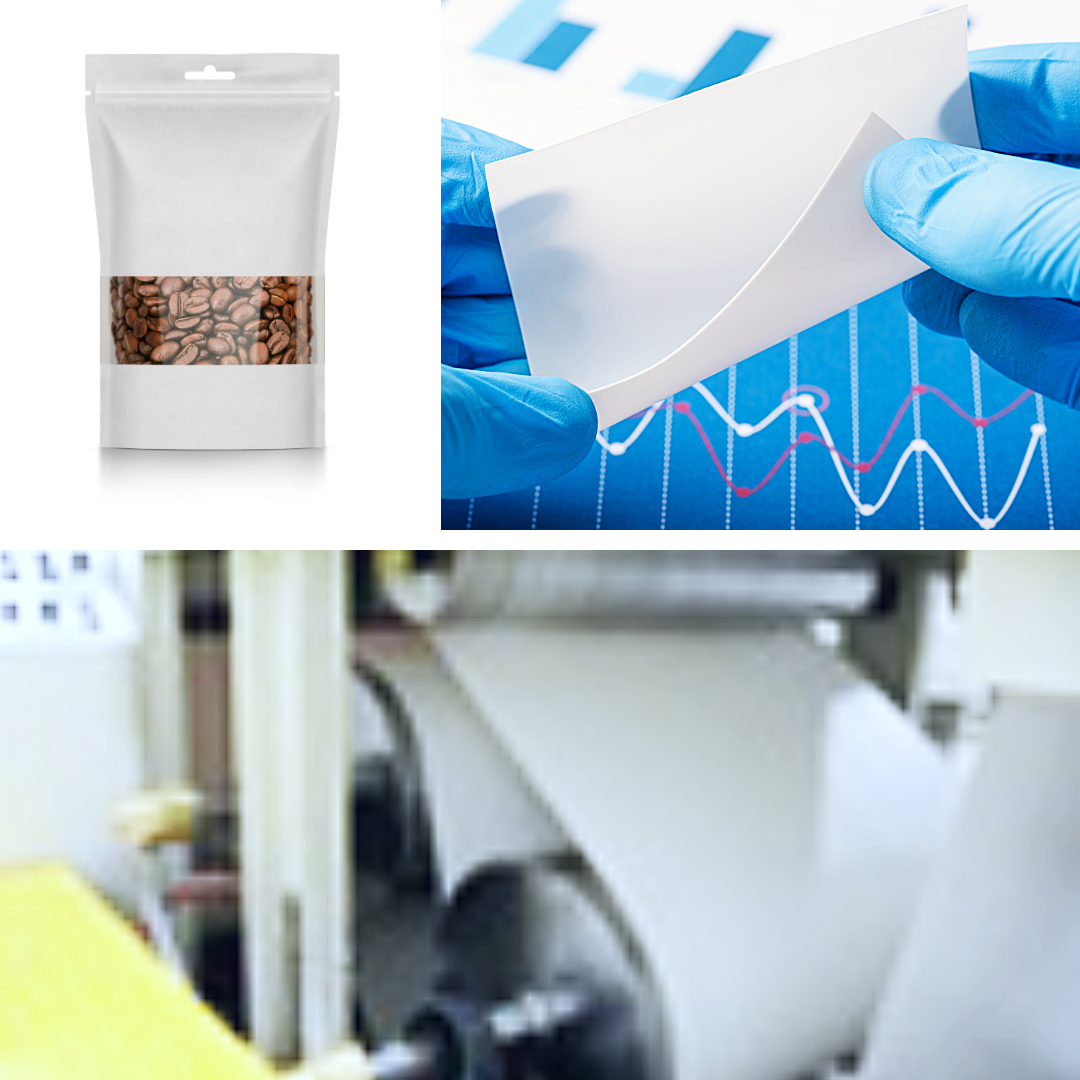
PRS Real-World Posts-8-Packaging

Flexible Packaging

Rotogravure printing dominates long-run flexible packaging — pouches, films, foils, and laminated structures — where consistent color reproduction, high tonal range, and ink adhesion to non-porous substrates are critical at production speeds. Both full cylinders and gravure sleeves are used in this market.
 

PRS Real-World Posts-7-Printing

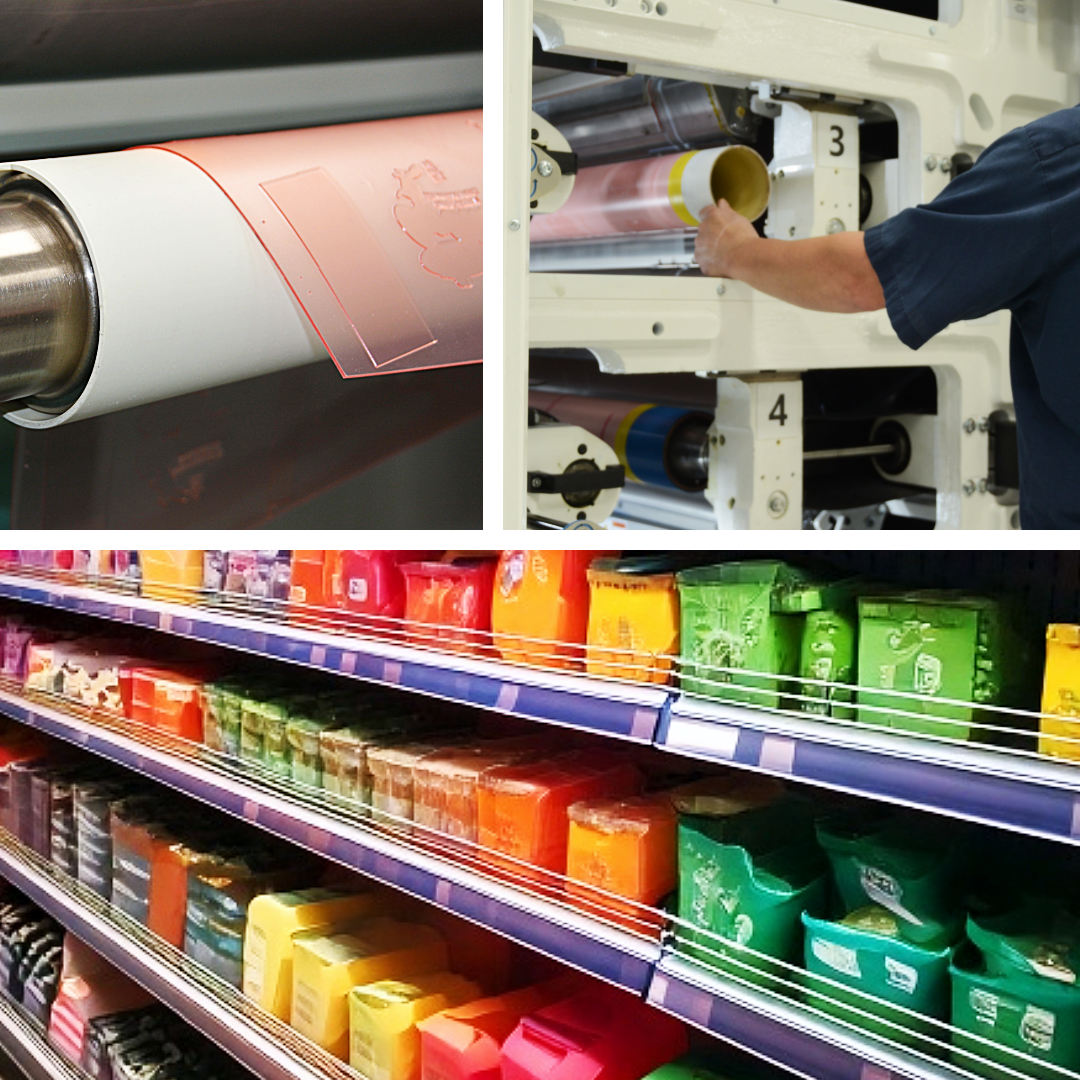
Labels & Narrow Web

Gravure delivers exceptional print quality for premium label applications — cosmetics, personal care, wine and spirits, and food — where fine detail, metallic inks, and consistent color are required across high-volume production runs.
Man processing the tobacco leaves and making cigars

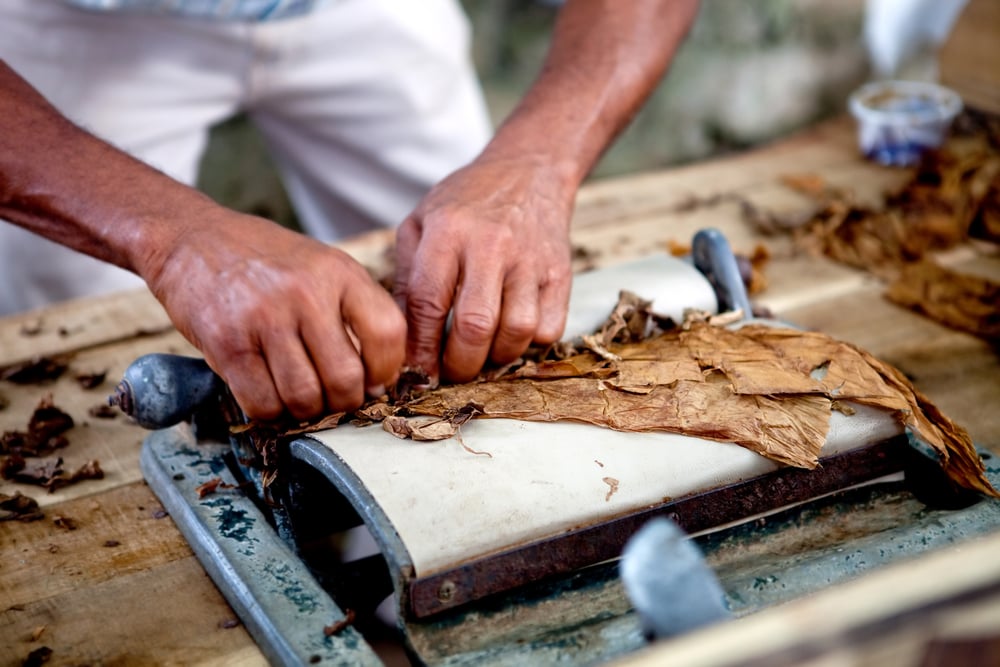
Tobacco Packaging

Gravure remains the dominant printing process for tobacco packaging globally. Cylinders must deliver consistent fine-detail reproduction, metallic ink laydown, and long service life across extended production runs.  
Flooring

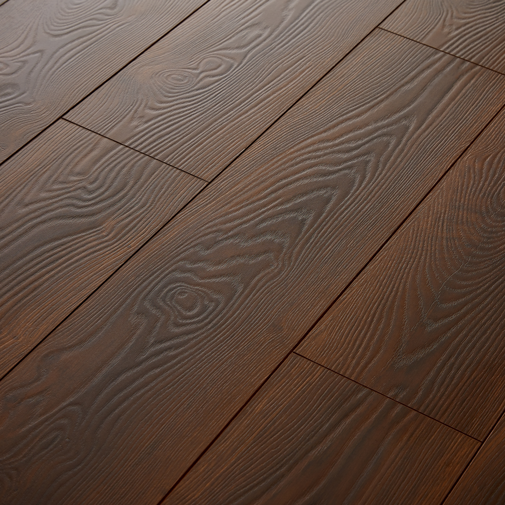
Decorative Laminates & Flooring

High-resolution gravure cylinders replicate woodgrain, stone, textile, and architectural surface patterns for flooring panels, furniture foils, and decorative laminates. IR Engraving operates some of the world's largest laser-engraved cylinder platforms, handling the large-format, wide-web cylinders this market demands.

Blue Medicine Pills [Sq]

Medical & Pharmaceutical Packaging

Rotogravure cylinders used in medical packaging must meet stringent cleanliness and dimensional tolerances. PRS/IR manufactures to GMP-compatible specifications for packaging printed with pharmaceutical-grade inks on regulated substrates.
Gravure Print Cylinders - MECA

Industrial Coating & Adhesive Transfer

Gravure coating cylinders meter and apply adhesives, release coatings, UV lacquers, and specialty films onto substrates in high-precision converting processes. Cell volume and geometry are specified to the fluid viscosity and transfer volume requirements.
PRS Real-World Posts-6-Printing

Publication & Catalog Printing

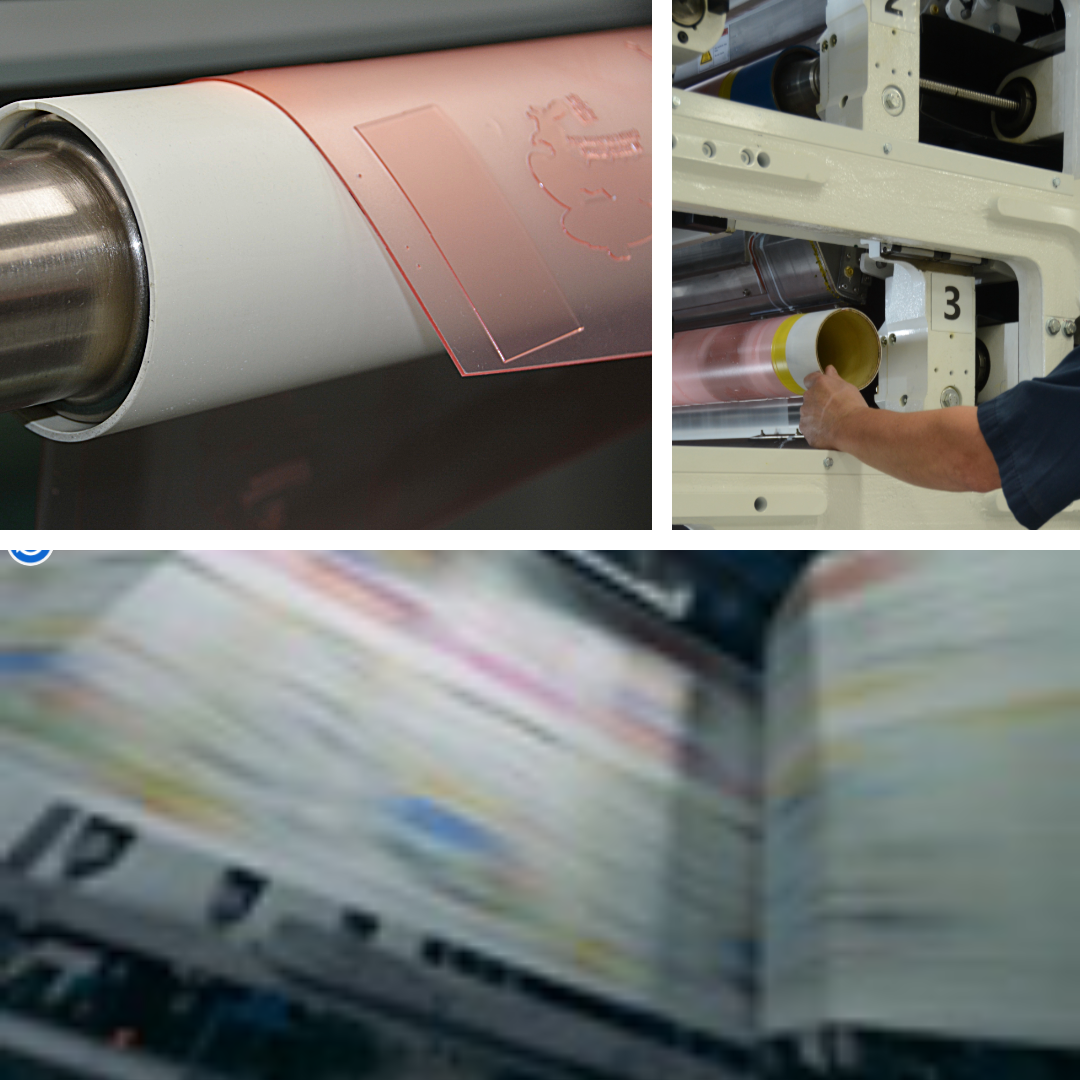
High-speed rotogravure printing for magazine inserts, catalogs, and advertising materials demands consistent ink delivery across wide web widths and high press speeds. Cylinder balance and TIR tolerances are especially critical at these run speeds.
Gravure Print Cylinders - MECA

Security & Specialty Printing

Gravure is used for currency, authentication documents, and specialty security printing requiring exacting ink laydown, fine guilloche pattern reproduction, and repeatable micro-detail across certified substrates.
Gravure Cylinder Type & Engraving Method Selection Guide

Gravure and rotogravure cylinder specifications are determined by a combination of application requirements, ink system, substrate, and press configuration. The table below provides a starting framework — PRS/IR engineering will validate and refine all variables for your specific application.

Application or Requirement
Method
Why
Flexible packaging — long-run, process color
Chemical or Laser
High cell count, fine geometry, and consistent cell walls required for process color fidelity across millions of impressions; YAG or CO2 laser platforms preferred
Decorative laminate — woodgrain, stone, pattern
Chemical Engraving
Greater depth capability for large-format, high-ink-laydown decorative patterns; IR Engraving handles the largest format cylinders in this category
Premium labels — fine detail, metallic inks
Laser or Chemical
Laser preferred for tight LPI tolerances and sharp cell walls; essential for halftone and fine graphic detail at high line counts
Industrial coating — adhesive, lacquer, UV
Mechanical or Chemical
Cell volume and geometry specified to fluid viscosity; mechanical engraving cost-effective for production coating rolls; IR tool library advantage
Medical / pharmaceutical packaging
Laser or Chemical
Dimensional precision and cleanliness requirements demand tight cell geometry tolerances; chrome spec critical for service life
Wide-web publication / catalog
Chemical Engraving
Large-format cylinders with precision balance and TIR spec; consistent ink transfer across full web width at high rotogravure press speeds
Gravure cylinder sleeves — fast changeover
Laser or Chemical
Sleeve format mounts over air mandrel for rapid changeover; same engraving and chrome specs as full cylinders; discuss press compatibility with PRS/IR
Legacy press / OEM replacement cylinders
Mechanical or Laser
IR Engraving's North America-leading mechanical tool library supports the widest range of legacy press configurations; reconditioned cylinder options available


Gravure & Rotogravure Cylinder Specifications

 All PRS/IR gravure and rotogravure cylinders are fully custom. The following represents our manufacturing envelope — contact us to discuss your specific application requirements.

Roll Specifics
Details
Max Length
Up to 130" standard; YAG and CO2 laser platforms engrave cylinders in excess of 235" length
Max Diameter
Up to 36" standard; laser platforms capable of cylinders in excess of 31" diameter
Cell Depth
Up to 90 microns
Engraving Methods
Mechanical (one of NA's largest tool libraries), chemical, YAG laser, CO2 laser
Materials / Plating
Steel base; copper engraving layer; nickel and hard chrome finish
Cell Geometry Options
Pyramid, trihelical, inverted pyramid, channel, and custom
Formats
Full cylinders and gravure cylinder sleeves
Proofing
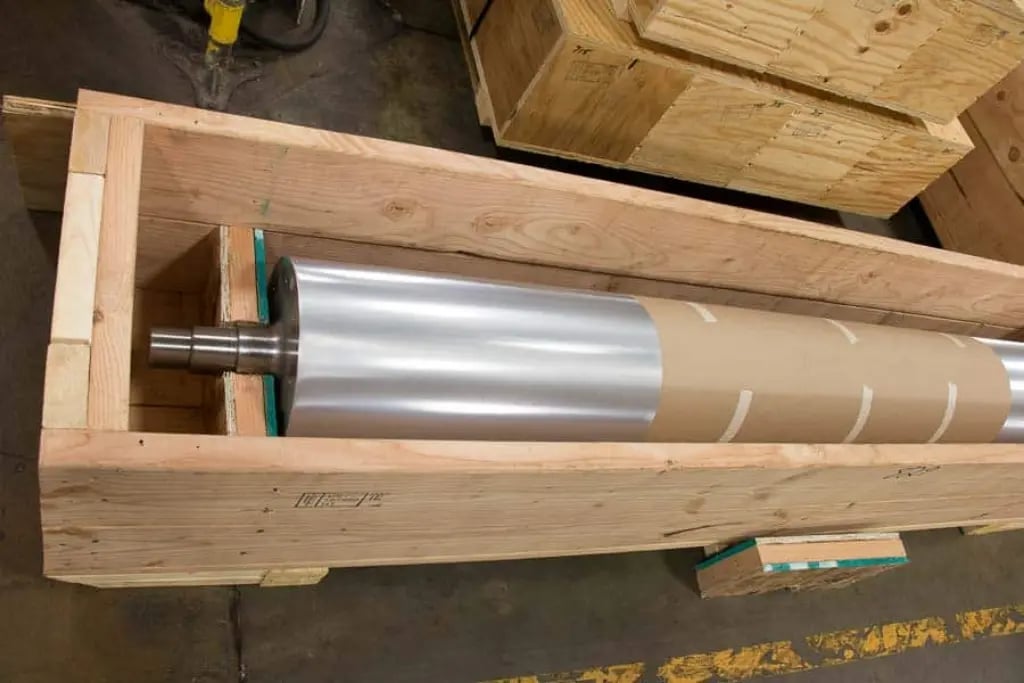
Cylinders proofed and inspected prior to shipment; gravure fingerprinting available
Balance
Precision-balanced for high-speed rotogravure press performance
Press Compatibility
Standard and custom OEM configurations; legacy press support via IR Engraving tool library
Geographic Coverage
United States and Canada; international customers served
Roll Sizes
Fully custom — contact PRS to discuss your press and application requirements

Gravure & Rotogravure Services

Maximize the performance of your gravure and rotogravure print cylinders with refurbishment, re-engineering, and engraving validation services designed for real production environments. Whether you're restoring an existing cylinder or developing a new engraving, PRS helps extend cylinder life, improve print quality and consistency, and validate results before committing to full-scale production.

Ready to specify your gravure cylinder?

Our engineers work directly with you to match cell geometry, screen ruling, ink system, and press requirements — from development and proofing through full production delivery across the US and Canada.

Resources for Gravure Cylinder Buyers

Use these resources to support specification development, press evaluation, and supplier selection.

PRS Buyer's Guide 

An overview of PRS engraved roll capabilities — including gravure and rotogravure cylinders — to support vendor evaluation and specification development.

Buyer's Guide

Embossing vs. Engraving Guide 

Understand the differences between embossing and engraving processes and when each is appropriate for your converting application.

Comparison Guide

Full roll lifecycle services  

Full roll lifecycle services — from condition assessment and copper stripping through re-engraving, re-chroming, and final balancing.

Service

Roll Identification Service

Can't identify an existing gravure cylinder? PRS's roll identification service helps customers evaluate unmarked or legacy rolls.

Identify

Frequently Asked Questions

Common questions about gravure and rotogravure cylinder specification, engraving methods, applications, and PRS/IR capabilities — including questions specific to US and Canadian converting operations.


What is a gravure or rotogravure print cylinder and how does it work?

A gravure print cylinder — also called a rotogravure cylinder, as the terms are used interchangeably across the industry — is a precision-engraved steel cylinder used in rotary printing and coating processes to transfer ink or coating material directly from engraved cells on the cylinder surface to a substrate. The cylinder rotates through an ink bath; the engraved cells fill with ink; a doctor blade wipes the non-engraved surface clean; and as the cylinder contacts the substrate under impression pressure, ink transfers from the cells to the material. The process produces exceptional tonal range, sharp fine-detail reproduction, and consistent ink density — characteristics that make rotogravure the preferred process for long-run flexible packaging, decorative laminate, and industrial coating applications where print quality and repeatability across millions of impressions are critical.

What is the difference between gravure and flexographic printing, and when is rotogravure the right choice?

Gravure (rotogravure) and flexographic printing are both rotary printing processes used widely in converting and packaging, but they differ in how ink reaches the substrate. In gravure printing, ink is carried in recessed cells engraved directly into the cylinder — the cylinder is the image carrier. In flexo, ink is transferred from an anilox roll to a raised-image printing plate mounted to the press cylinder. Gravure generally delivers higher print quality, greater tonal range, and more consistent ink density — particularly on non-porous substrates, metallized films, and long-run packaging where color accuracy is brand-critical. Rotogravure is the right choice when print quality cannot be compromised across millions of impressions, when the substrate is non-absorbent (polyester, polypropylene, foil, metallized film), when fine detail and full-tonal images are required, or when run lengths are high enough that the cylinder investment is justified by the lower cost-per-impression. Flexo has advantages in shorter runs, faster changeovers, and broader substrate compatibility. Many North American converters run both processes depending on product, run length, and quality requirements.

What engraving methods does PRS/IR use for gravure and rotogravure cylinders?

PRS gravure cylinders are manufactured by IR Engraving, which operates mechanical, chemical, YAG laser, and CO2 laser engraving platforms. Mechanical engraving uses precision cutting tools to physically engrave cells into the copper layer from one of North America's largest mechanical engraving tool libraries — an advantage for legacy press customers requiring specific cell geometries that other suppliers can no longer produce. Chemical engraving etches cells using acid-based processes and is well suited for large-format decorative applications requiring cell depth up to 90 microns. YAG and CO2 laser engraving ablates the copper surface with a focused laser beam, delivering the tightest cell geometry tolerances and sharpest cell wall definition for high-resolution packaging printing. IR's laser platforms can engrave cylinders in excess of 31 inches in diameter and 235 inches in length — among the largest rotogravure cylinder laser engraving capabilities in North America.

What is cell geometry and why does it matter for gravure cylinder performance?

Cell geometry refers to the shape, angle, and structural characteristics of the engraved cells on the gravure cylinder surface. While screen ruling (LPI) and cell depth determine how much ink a cylinder carries, cell geometry controls how ink fills the cell from the bath, how cleanly the doctor blade wipes the land area between cells, how completely the ink releases to the substrate at impression, and how the cylinder resists plugging during production. The most common rotogravure cell geometries are pyramid (standard, widely used across packaging and coating), trihelical (angled channels that improve ink flow and doctor blade performance at high speeds), inverted pyramid (deeper cells for higher-volume ink transfer), and channel engravings (used in coating applications requiring directional ink flow). Selecting the right geometry for the ink viscosity, press speed, and substrate is one of the most consequential decisions in gravure cylinder specification.

What are copper and chrome plating used for on a rotogravure cylinder?

Gravure and rotogravure cylinders are built in distinct plating layers, each serving a specific function. The base steel cylinder is first plated with copper, which provides the soft, machinable surface into which the cells are engraved. Copper is selected because its hardness can be precisely controlled, it machines cleanly to produce accurate cell geometry, and it bonds reliably with the subsequent chrome layer. After engraving, a layer of hard chrome is applied over the copper surface. Chrome serves as the working surface of the cylinder during printing — it provides the hardness, wear resistance, and corrosion resistance required to withstand millions of impressions against the doctor blade and substrate without significant dimensional change. The quality and consistency of both the copper engraving layer and the chrome application directly affect cylinder service life, cell wall integrity, and print consistency.

What substrates can be printed or coated using gravure and rotogravure cylinders?

Gravure and rotogravure cylinders are used across a broad range of substrate types. In flexible packaging, rotogravure prints on polyethylene, polypropylene, polyester (PET), polyamide (nylon), metallized films, aluminum foil, and multi-layer laminate structures. In decorative printing, gravure prints on paper, impregnated papers, and foil substrates for flooring panels, furniture foils, and wall coverings. For industrial coating applications, gravure cylinders apply adhesives, release coatings, UV lacquers, and specialty functional coatings onto film, paper, and foil substrates. The substrate determines several key cylinder specifications — including cell volume, doctor blade selection, impression pressure, and chrome hardness requirements. Contact PRS to discuss your specific substrate.

What is gravure cylinder proofing and why does it matter?

Gravure cylinder proofing is the process of proof-printing a newly engraved cylinder before shipment to verify that the engraved cells produce the intended ink transfer, color density, fine-line reproduction, and tonal accuracy on the customer's substrate. PRS/IR proof-prints and inspects all cylinders prior to shipping. For new customer relationships or new press configurations, gravure fingerprinting is also available — a calibration process in which the customer's press, ink system, and substrate are characterized and used to set engraving curves specific to that press environment, ensuring that the production cylinder delivers the expected output the first time it runs. Fingerprinting eliminates the guesswork from gravure specification and is especially valuable when launching new packaging designs or converting to a new substrate.

What is the difference between a gravure cylinder and a gravure cylinder sleeve?

Both perform the same ink transfer function in a rotogravure press, but the format is different. A conventional gravure cylinder is a solid, self-contained unit with its own steel core — it is the traditional format and remains dominant in many packaging and decorative converting operations. A gravure cylinder sleeve is a thin-walled cylindrical shell designed to mount over a lightweight air mandrel, allowing it to be slid on and off the press rapidly for faster job changeovers. Sleeve systems are increasingly used in modern rotogravure press environments where minimizing downtime is operationally critical and where repeat lengths change between jobs. PRS/IR manufactures both formats to the same engraving, plating, and cell geometry specifications. Contact PRS to discuss which format is appropriate for your press and production requirements.

How long does a rotogravure cylinder last, and when should it be refurbished or replaced?

Rotogravure cylinder service life depends on the substrate, ink or coating system, impression pressure, press speed, and doctor blade type. A properly specified and maintained chrome-plated gravure cylinder can deliver hundreds of millions of impressions before measurable cell wear affects print quality. The primary indicators that refurbishment is needed are declining print density at standard press settings, increasing tonal shift or dot gain, visible cell damage under magnification, or worn chrome exposing the copper layer. PRS/IR refurbishment services include de-chrome and re-chrome for cylinders with intact engraving, and full copper strip, re-engrave, and re-chrome for cylinders requiring engraving restoration. Whether to refurbish or replace depends on the condition of the base steel and copper layer — PRS/IR can evaluate customer-supplied cylinders and provide a refurb vs. replace recommendation.

Can PRS manufacture gravure cylinders for legacy or non-standard rotogravure press systems?

Yes. This is a significant PRS/IR capability advantage. IR Engraving maintains one of North America's largest mechanical engraving tool libraries, which means PRS/IR can produce replacement cylinders for legacy and OEM press systems where original cylinder suppliers may no longer be active. PRS/IR's engineering team works from customer-supplied specifications, existing cylinder measurements, or press drawings to produce replacement cylinders that match the dimensional, engraving, and balance requirements of the original. If the original cylinder specifications are unknown, PRS's roll identification service can evaluate existing cylinders and establish a specification baseline. Contact PRS to discuss your press configuration and existing cylinder inventory.

What are the maximum dimensions for PRS gravure and rotogravure cylinders?

PRS/IR's standard manufacturing envelope for gravure cylinders includes a maximum length of up to 130 inches and a maximum diameter of up to 36 inches, with cell depth capability up to 90 microns. IR Engraving's YAG and CO2 laser platforms extend this further — capable of engraving cylinders in excess of 31 inches in diameter and 235 inches in length, placing PRS/IR among the largest-format rotogravure cylinder producers in North America. All cylinders are fully custom. Contact PRS with your press specifications and repeat length requirements to confirm fit within our manufacturing capabilities.

Does PRS serve Canadian converters and packaging companies?

Yes. PRS and IR Engraving serve gravure and rotogravure cylinder customers across the United States and Canada, including flexible packaging converters, decorative surface producers, industrial coaters, and paper and board mills in Canadian provinces. Our engineering team works with Canadian customers through the same specification, proofing, and delivery process as US accounts. Lead times, shipping logistics, and cross-border coordination are all part of our standard customer service process. Contact PRS directly to discuss your location, press requirements, and cylinder specifications.

What industries use gravure and rotogravure print cylinders?

Gravure and rotogravure print cylinders are used across a wide range of industries where high-quality, high-volume printing or precision coating is required. The primary markets include flexible packaging for food, beverage, personal care, and household products; decorative laminate printing for flooring, furniture, and wall covering substrates; pharmaceutical and medical device packaging; tobacco packaging; premium label printing for cosmetics, spirits, and specialty consumer products; industrial coating and adhesive transfer for converting processes; publication and catalog printing; and security printing for currency, authentication documents, and specialty items. PRS/IR serves all of these markets across the US and Canada with custom-engineered cylinders built to each application's specific press, ink, and substrate requirements.


Back to top

Connect with
PRS Experts

Questions? Tough challenge? Need a second opinion on cylinder specification, cell geometry, or press compatibility? The PRS/IR engineering team serves converters across the US and Canada — from first specification through production cylinder delivery. 


Request A Consultation