

Specialty Rolls · Custom to Your Specification

Custom Industrial Rolls & Rollers

Any construction · Any engraving method · Any coatings, or materials

Custom Industrial Rolls & Rollers 

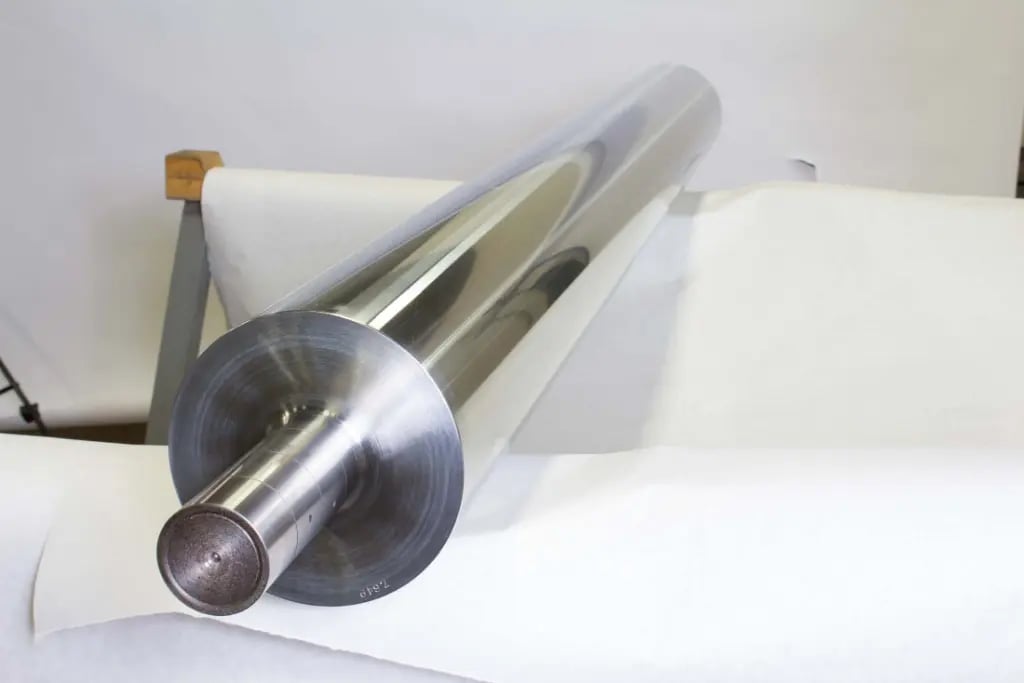
PRS designs and manufactures custom industrial rolls and rollers built to your drawings or engineered to your specifications. Idlers, feeds, anvils, tubular and solid construction, fiber-filled and rubber-cored designs, engraved custom rolls, and vacuum or specialty surface configurations — any roll outside our standard catalog. Combine custom construction with any engraving method, eight plasma spray coatings, precision machined surfaces, or specialty platings, all from a single supplier.  

3-engraved-rolls

Any Size

No Standard Catalog

Finishes & Coatings

Plasma, Plating, Rubber

Engraving Methods

Direct Metal Laser, Mechanical, Chemical Etch, DTT

One Supplier

Ideation to Creation

How PRS Builds Custom Industrial Rolls 

PRS builds custom rolls two ways. Manufacture-to-print means the customer supplies engineering drawings — an OEM drawing, an existing roll measurement, or a custom design — and PRS produces the roll exactly to those specifications without re-engineering. This is the standard approach for replacement rolls, OEM machine parts, and customers who have already specified the design with their own engineering team. Engineer-to-specification means the customer describes the application, process conditions, and performance requirements, and PRS engineering develops the roll design from those inputs. This is the standard approach for new applications, process upgrades, and customers who need engineering support to define the roll itself. Both paths converge on the same manufacturing capabilities and produce the same quality of finished roll.

The defining feature of PRS's custom roll capability is the breadth of what can be combined on a single roll, from a single supplier. A custom-dimensioned base roll can be built in any construction type (solid, tubular, fiber-filled, rubber-cored) using any base material (mild steel, alloy steel, stainless steel, specialty alloys), then engraved using any of PRS's engraving methods (mechanical, YAG laser, CO2 laser, chemical etching, or direct-to-metal laser), and finished with any surface treatment (eight plasma spray coatings, chrome plating, nickel, rubber covering, specialty platings). The same roll can also incorporate vacuum perforation, fine-mesh or seamless screens, internal thermal flow paths, or any specialty surface configuration. This combinatorial range is what makes PRS a single-source roll partner rather than a catalog supplier — and it directly eliminates the multi-vendor coordination problem that plants face when an application requires both custom construction and specialty surface capability.

PRS builds custom rolls two ways. Manufacture-to-print means the customer supplies engineering drawings — an OEM drawing, an existing roll measurement, or a custom design — and PRS produces the roll exactly to those specifications without re-engineering. This is the standard approach for replacement rolls, OEM machine parts, and customers who have already specified the design with their own engineering team. Engineer-to-specification means the customer describes the application, process conditions, and performance requirements, and PRS engineering develops the roll design from those inputs. This is the standard approach for new applications, process upgrades, and customers who need engineering support to define the roll itself. Both paths converge on the same manufacturing capabilities and produce the same quality of finished roll.

Both paths converge on the same manufacturing capabilities: precision machining, balancing, and dimensional verification; a full range of base materials including mild steel, alloy steel, stainless steel, and specialty alloys; tubular, solid, fiber-filled, and rubber-cored construction options; and the broadest surface treatment range available from a single supplier — including eight plasma spray coating options ranging from corrosion-resistant nickel to high-hardness tungsten carbide and chrome oxide. Whatever the roll has to do, PRS engineering and manufacturing capabilities are built to handle it.

PRS CUSTOM ROLL ENGINEERING & MANUFACTURING

 PRS's custom roll capability is what makes PRS a full-line roll partner rather than a catalog supplier. Most production lines need a mix of engraved rolls, specialty rolls, and custom configurations to operate — and most plants prefer to source the full set from one engineering and manufacturing operation. The combinatorial range — any construction, any engraving method, any surface treatment, any specialty feature — is what eliminates the multi-vendor coordination problem that plants face when applications require capabilities that don't fit standard product lines. PRS engineering and manufacturing capabilities cover the full range, in one operation. 

 Custom Roll Types Built by PRS 

PRS custom rolls span the full range of industrial roll types used in web converting, manufacturing, and material handling operations. Each type can be specified individually or combined with PRS engraving, vacuum, and surface treatment capabilities to deliver configurations outside any standard catalog.

End of a custom idler roll

Idler Rolls

Free-rotating support rolls used throughout web handling lines to guide, support, and turn the web. Idler roll design priorities include precision balance to minimize vibration at line speed, tight runout for consistent web tracking, appropriate bearing selection for service life, and surface treatment matched to substrate sensitivity. PRS manufactures custom idler rolls for converting lines, coating lines, printing presses, and any web processing equipment requiring non-standard idler dimensions or specifications.
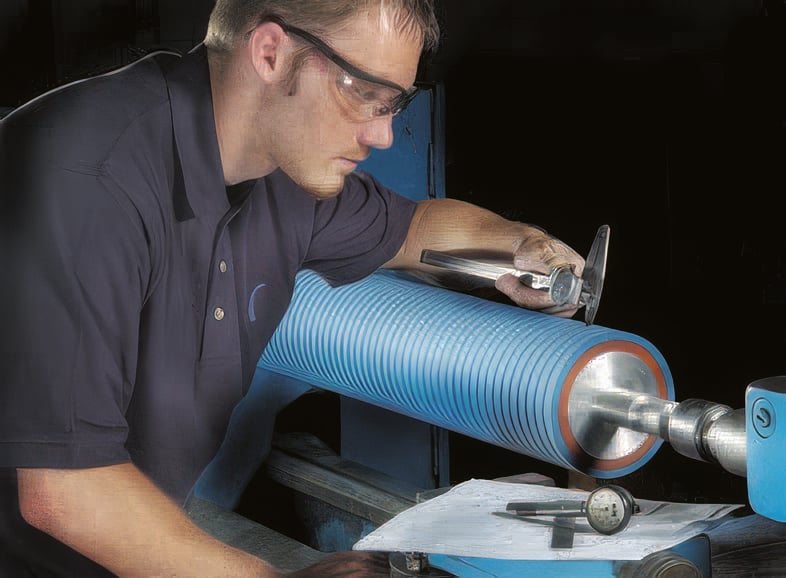
Feed_Pull_Rolls

Feed Rolls

Driven rolls used to advance the web through the production line, typically in pairs forming a nip. Feed roll design priorities include surface treatment selection for the required traction without web marking, precision balance for high-speed operation, and dimensional accuracy for consistent web feeding. PRS custom feed rolls support converting, slitting, printing, and packaging line applications.
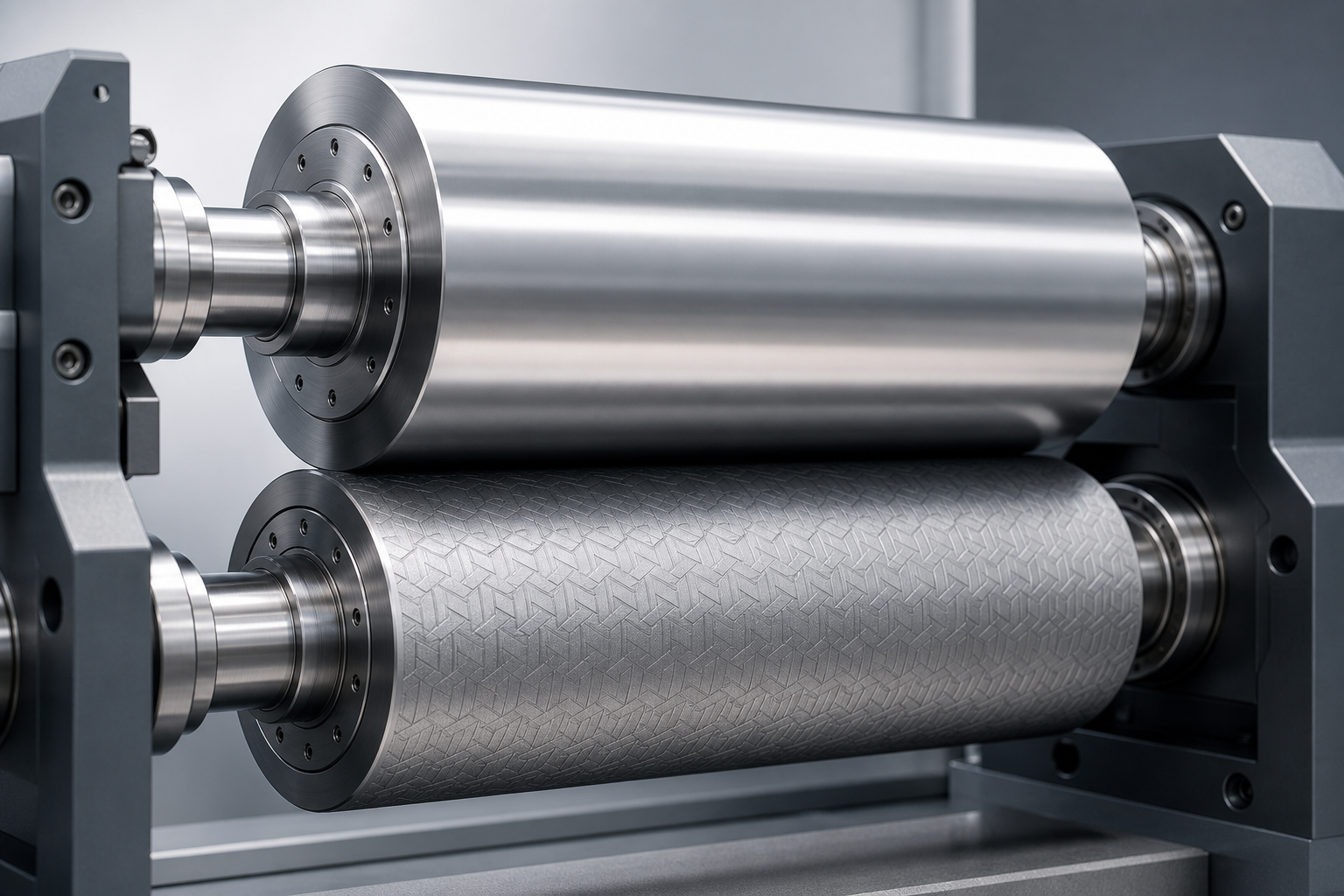
Anvil Roll Surface Detail

Anvil Rolls (Smooth & Patterned)

The opposing roll in a die-cutting, embossing, or compression nip — typically a hardened steel roll designed to provide the backing surface against which the working roll operates. Smooth anvil rolls offer precision-ground surfaces for embossing and calendering. Patterned anvil rolls are available where the application requires both rolls in the nip to carry surface geometry. Anvil rolls require high hardness, dimensional stability under load, and surface finish appropriate to the application.
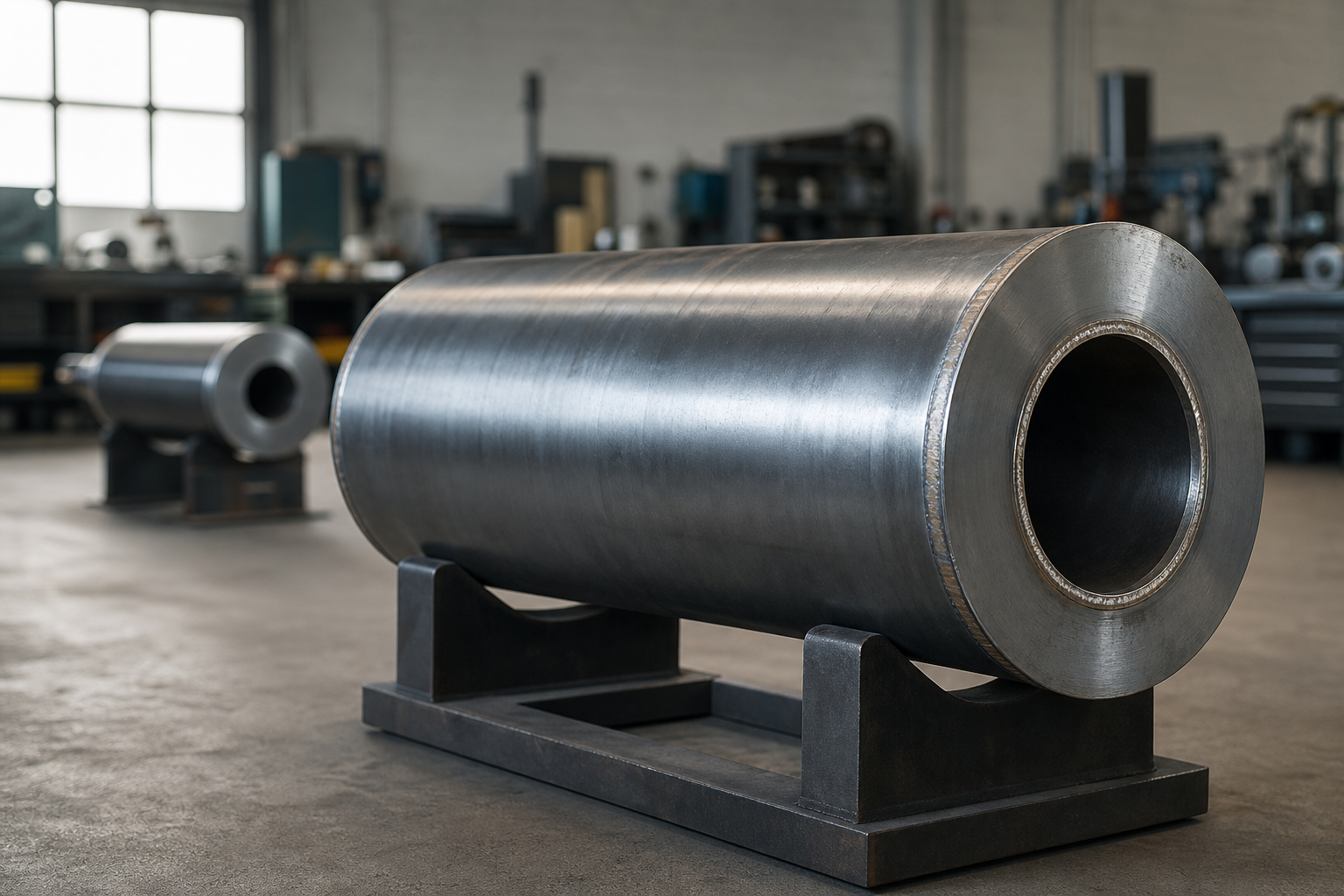
Tubular Steel Roll Construction

Tubular Construction Rolls

Hollow rolls fabricated from steel tubing with welded or bolted end caps. Tubular construction reduces weight versus solid rolls, which can be advantageous for large-diameter rolls, rotating mass considerations, or rolls requiring internal flow path configurations for temperature control. PRS supplies tubular construction in mild steel, alloy steel, and stainless steel.
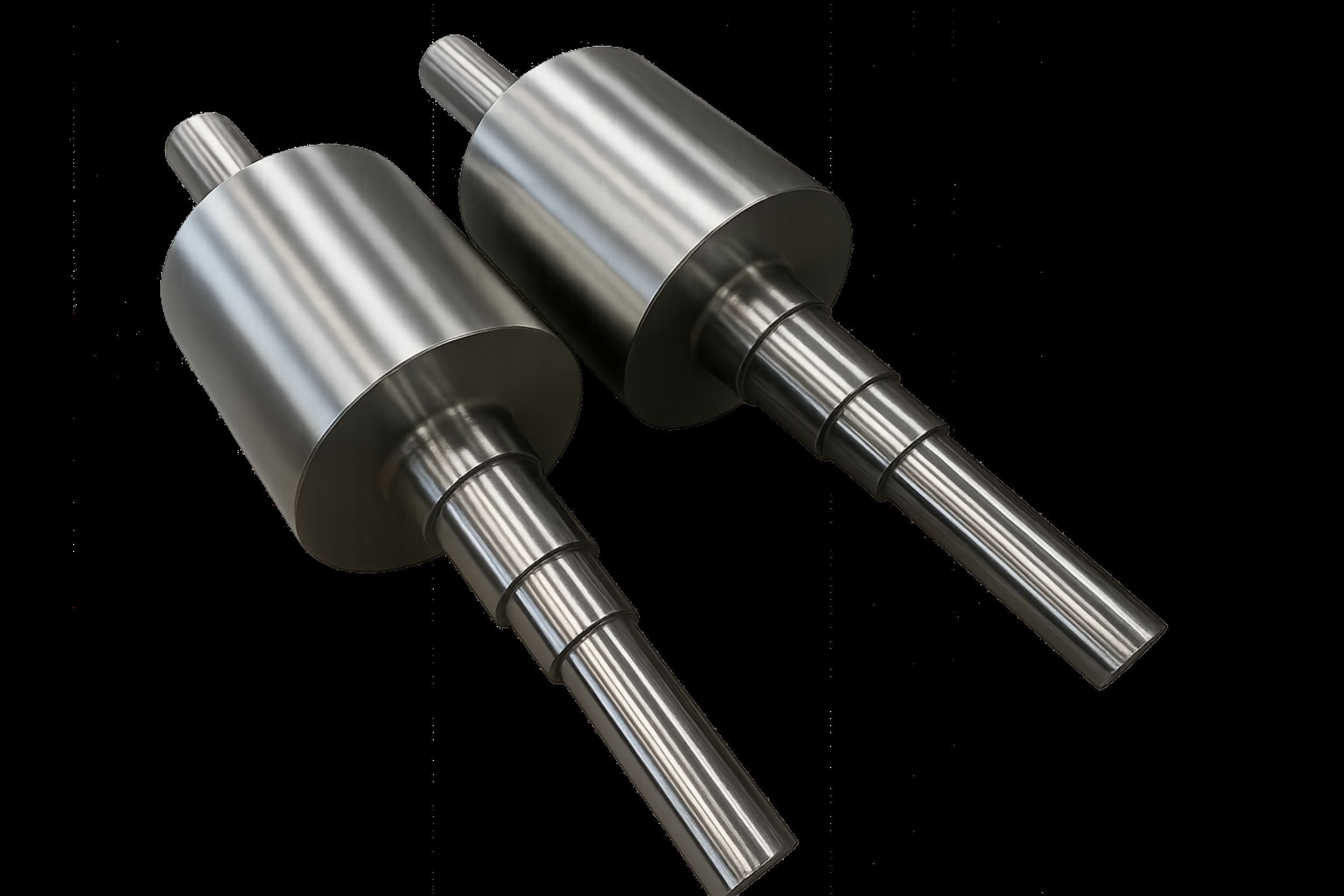
CALL ROLL PRODUCT PIC

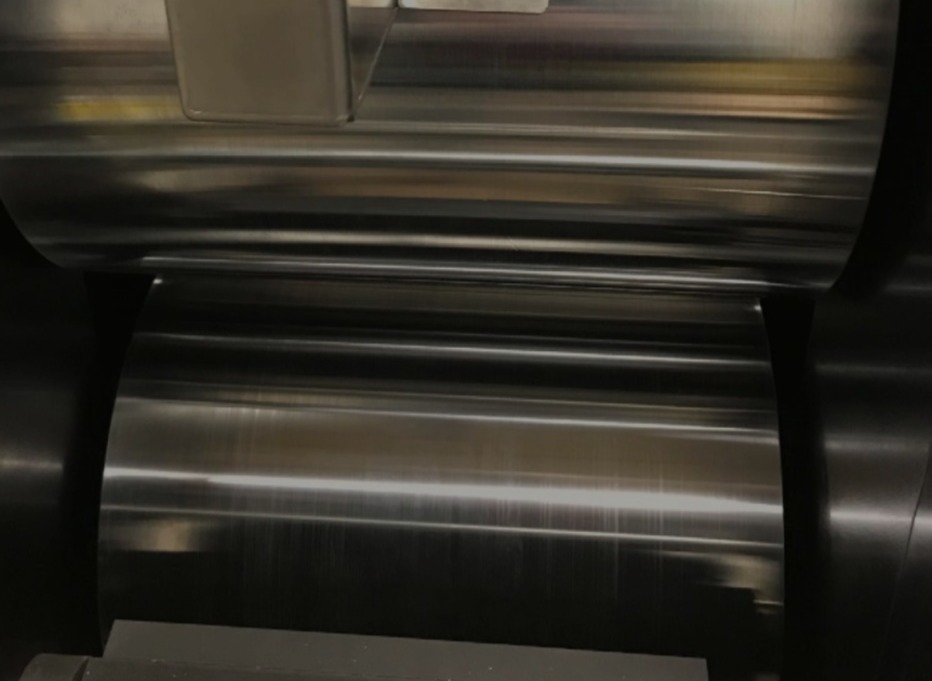
Solid Steel Rolls

Solid bar-stock or forged rolls offering maximum stiffness and deflection resistance for high-load applications. Solid construction is standard for small-diameter precision rolls, anvil rolls, and applications where minimum deflection under nip load is the controlling specification.
croll 7

Fiber-Filled & Rubber-Cored Rolls

Fiber-filled (paper-filled) rolls use compressed paper or fiber material inside the roll core, providing controlled mechanical properties with specific damping characteristics for certain converting applications. Rubber-cored rolls use a steel shaft with bonded rubber covering at custom durometer — used as the compliant roll in nip configurations where the rubber conforms to the opposing surface.
MicroEmbossing

Engraved Custom Rolls — Engraving Method Pairing

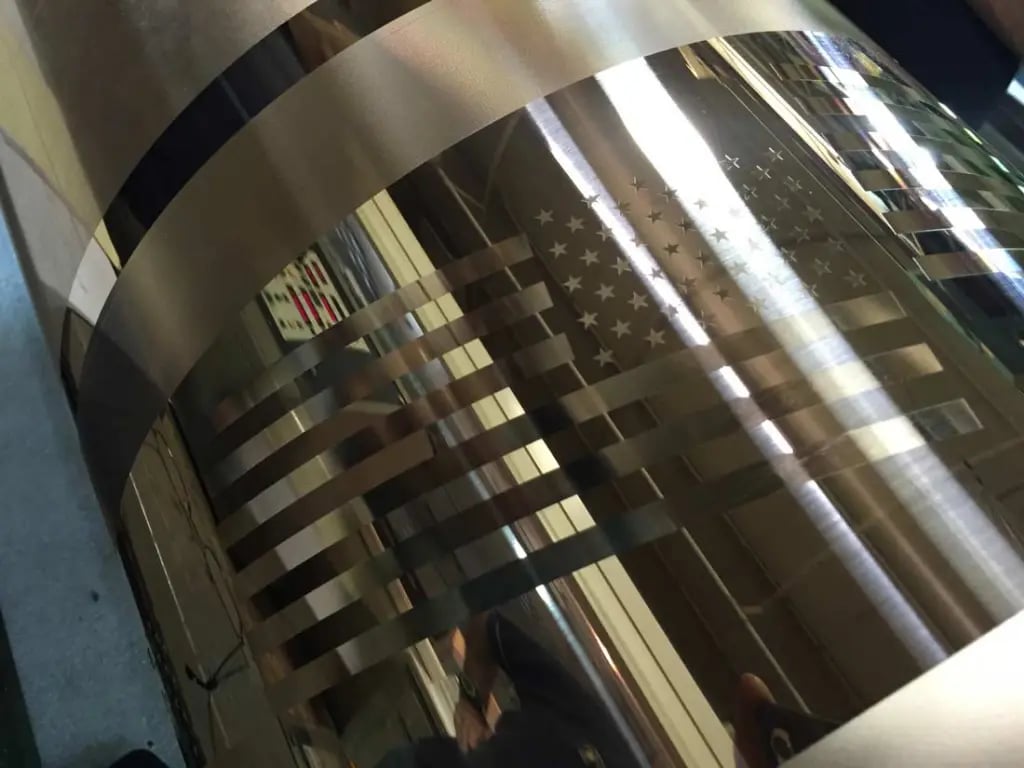
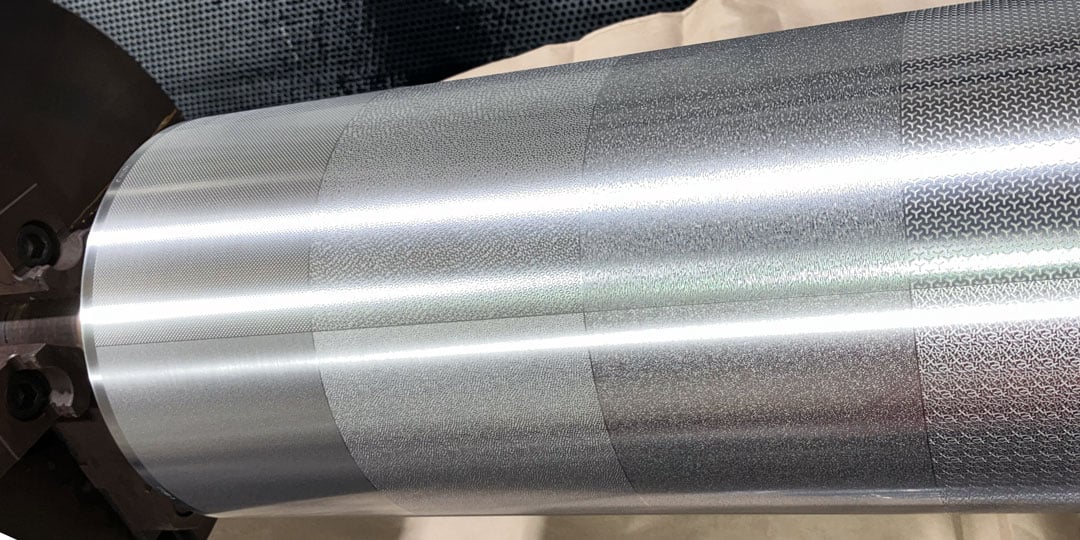
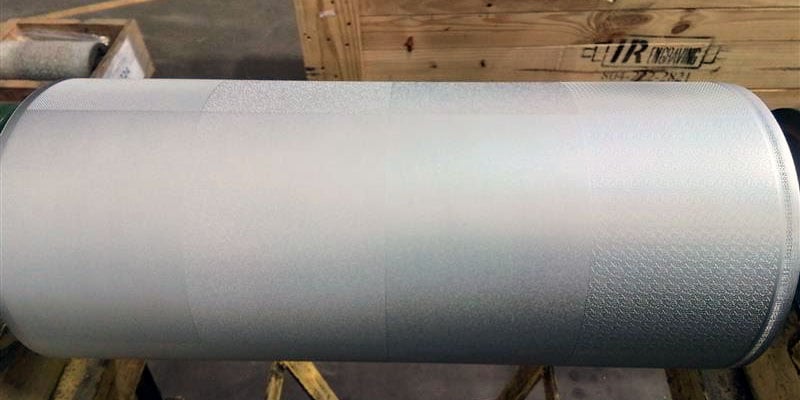
PRS's custom roll capability combines with any engraving method from across the company. Mechanical engraving from one of North America's largest mechanical engraving tool libraries supports custom anilox patterns, custom cell geometries, and legacy press cylinder reproduction. YAG and CO2 laser engraving deliver high-resolution custom gravure cylinders and laser-engraved roll surfaces in dimensions outside standard product lines. Chemical etching supports custom embossing patterns and deep-relief decorative engravings on custom-dimensioned bases. Direct-to-metal laser engraving operates on aluminum and other non-plated substrates. Common examples include custom anilox rolls in non-standard dimensions, custom gravure cylinders for legacy presses, custom embossing patterns on specialty-dimensioned base rolls, and custom-engraved metering or glue rolls for specific viscosity applications.
vacuum roll

Custom Vacuum, Perforated & Specialty Surface Rolls

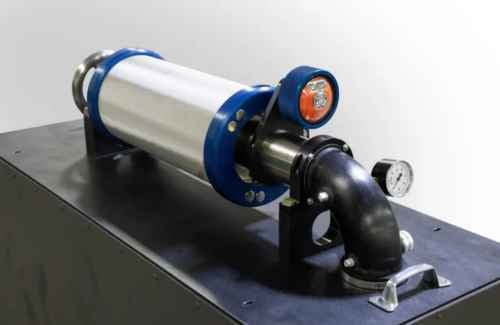
For applications requiring single-sided web contact or specialty surface configurations outside our standard vacuum tension roll product line, PRS builds custom rolls incorporating vacuum perforation, fine-mesh or seamless screens, micro-groove engraving, or custom hole patterns. Custom vacuum capabilities can be paired with any base construction (tubular, solid, fiber-filled) and any surface treatment (plasma spray, chrome plating, nickel, rubber covering). The same approach applies to custom feed roll surfaces, custom anvil patterns, custom temperature-controlled roll configurations with internal flow paths in/out same end or opposite ends, and any specialty surface configuration where standard product lines don't fit the application.
MicroEmbossing2

OEM Machine Replacement & Legacy Roll Reproduction

For applications requiring single-sided web contact or specialty surface configurations outside our standard vacuum tension roll product line, PRS can build custom rolls incorporating vacuum perforation, fine-mesh or seamless screens, micro-groove engraving, or custom hole patterns. Custom vacuum capabilities can be paired with any base construction (tubular, solid, fiber-filled) and any surface treatment (plasma spray, chrome plating, nickel, rubber covering). The same approach applies to custom feed roll surfaces, custom anvil patterns, and any specialty surface configuration where standard product lines don't fit the application. 

Custom Roll Configuration Guide  

Selecting the right combination of construction, engraving method (if required), and surface treatment depends on operating load, substrate sensitivity, service environment, and required service life. Use this guide as a starting point — PRS engineering will validate the configuration for your specific application.

Application / Requirement
Recommended Configuration
Why
Web support and guidance (idler rolls)
Tubular Steel + Chrome or Specialty Coating
Tubular construction minimizes rotating mass for low-friction free rotation; chrome or specialty coating selected for substrate compatibility
Driven feed rolls, web advance
Solid or Tubular + Plasma Spray (Tungsten Carbide or Aluminum Oxide)
Plasma spray provides hard wear surface for consistent traction; construction type selected based on roll diameter and load
Custom anilox or engraved cell pattern roll
Custom Base + Mechanical or Laser Engraving + Chrome or Ceramic Coating
Combines custom dimensions with any PRS engraving method; legacy press support via North America's largest mechanical engraving tool library
Die-cutting and high-load anvil applications
Hardened Solid Steel + Chrome or Tungsten Carbide
Solid construction delivers minimum deflection under load; hardened material and surface treatment provide wear resistance
Custom gravure cylinder for legacy press
Steel Base + Copper Plating + Laser, Chemical, or Mechanical Engraving + Hard Chrome
Full gravure cylinder build with engraving method matched to application; supports OEM and legacy press configurations
Custom vacuum or perforated roll
Tubular Base + Vacuum Perforation + Fine-Mesh, Seamless Screen, or Specialty Surface
Single-sided web contact or specialty surface requirements outside standard vacuum tension roll product line
Corrosive process environments
Stainless Steel Base + Stainless Plasma Spray OR Nickel Plasma
Stainless construction throughout for chemical resistance; nickel plasma provides additional corrosion barrier where required
OEM machine replacement roll
Specification Matched to Original Drawing or Roll
PRS reproduces original dimensions, materials, engraving, and surface treatments from drawings, existing roll measurements, or reverse engineering


Custom Roll specifications  

PRS custom rolls are manufactured to print or engineered custom to the end-user's application. The following represents our standard capabilities — contact us to discuss your specific roll requirements.

Spec
Details
Construction Type
Solid steel, tubular construction (welded or bolted heads), fiber-filled (paper-filled), rubber-cored
Base Materials
Mild steel, alloy steel, stainless steel, specialty alloys per application
Heat Treatment
Annealed or hardened per application requirements
Engraving Methods
Mechanical (one of NA's largest mechanical engraving tool libraries), YAG laser, CO2 laser, chemical etching, direct-to-metal laser
Internal Flow (for thermal rolls)
Flow in/out same end or opposite ends; low or high capacity flow configurations; welded or bolted head construction
Specialty Surface Features
Vacuum perforation, fine-mesh and seamless screens, micro-groove engraving, custom hole patterns
Surface Treatments — Plasma Spray
Nickel, stainless steel, copper, tungsten carbide/cobalt, aluminum oxide, chrome oxide, complex oxide, titanium oxide
Surface Treatments — Plating
Hard chrome, nickel, copper, specialty platings per application
Surface Treatments — Coverings
Rubber covering in custom durometer; specialty coatings per application
Roll Sizes
Fully custom — any face length, diameter, journal configuration, and crown profile
Tolerances
Precision-machined to engineered runout, concentricity, and surface finish targets
Balancing
Dynamic balance inspection and balancing standard

Lifecycle  & Supporting services

PRS custom roll capability is supported by full engineering and manufacturing operations — making PRS a single-source supplier for any roll requirement.


Have a roller requirement that does not fit a standard catalogue?

That's exactly what PRS's custom roll capability is for. Whether your application needs custom construction, custom engraving, vacuum capability, specialty surface treatment, or any combination — PRS engineering and manufacturing handle it all in one operation. Bring us drawings, an existing roll, or just the application description.  

Resources for custom roll Buyers

Use these resources to support specification development, application evaluation, and supplier selection.

Don't have drawings or specifications for an existing roll? PRS roll identification service evaluates your existing unit and establishes a replacement specification baseline before engineering and manufacturing begin. → precisionrollsolutions.com/roll-identification-service

Service

PRS's precision machining capability supports custom roll manufacturing and provides additional gear and machined component services for full converting line support. →

Service

Full lifecycle services for custom rolls — surface treatment renewal, journal repair, re-plating, re-spraying, re-engraving, and precision rebalancing across all custom roll types. → 

Services

PRS supplies spare parts and replacement components for converting line equipment — including custom rolls, bearings, journals, and related precision components. → precisionrollsolutions.com/products/spare-parts 

Service

Frequently Asked Questions

Common questions about custom rolls and their development process.

What is a custom roll and when should I order one?

A custom roll is any industrial roller built to a specific application requirement that doesn't fit a standard catalog item. Most rolls in any production line are custom in some form — the diameter, face length, journal configuration, bearing fit, surface treatment, internal construction, or engraved pattern is matched to the specific machine and process. Order a custom roll when your application requires specifications that fall outside a supplier's standard product line, when you're replacing a roll from a legacy or OEM machine that no longer has commercial replacement options, when you need a specific combination of construction type and surface treatment for a new process, when you need a custom engraving on a non-standard-dimensioned base, or when standard catalog rolls simply don't meet the dimensional, material, surface, or pattern specifications your application requires.

Does PRS manufacture custom rolls from my drawings or engineer them from scratch?

 Both. PRS builds custom rolls two ways. Manufacture-to-print means you supply the drawing — an OEM drawing, your engineering team's design, or measurements from an existing roll — and PRS produces the roll exactly to those specifications. Engineer-to-specification means you describe the application, operating conditions, and performance requirements, and PRS engineering develops the roll design from those inputs. Both paths use the same manufacturing capabilities and produce the same quality of finished roll. Manufacture-to-print is standard for replacement rolls and OEM parts; engineer-to-specification is standard for new applications and process upgrades where engineering support is needed. Reverse engineering from existing rolls is also available when no drawings exist. 

Can PRS combine custom roll construction with engraving capabilities from across the company?

Yes — this is one of the most distinctive aspects of PRS's custom roll capability. A custom roll can be built to your dimensional specifications and then engraved using any method PRS offers: mechanical engraving from one of North America's largest mechanical engraving tool libraries, YAG or CO2 laser engraving, chemical etching, or direct-to-metal laser engraving. This means custom anilox rolls in non-standard dimensions, custom gravure cylinders for legacy presses, custom-dimensioned embossing patterns, custom-engraved metering or glue rolls, and custom vacuum-perforated rolls with engraved surfaces are all available from a single supplier. Combining custom construction with full engraving capability eliminates the need to coordinate between multiple suppliers when an application requires both.

Can PRS build custom vacuum rolls and specialty perforated surface configurations?

Yes. For applications requiring single-sided web contact or specialty surface configurations outside our standard vacuum tension roll product line, PRS builds custom rolls incorporating vacuum perforation, fine-mesh screens, seamless nickel screens, micro-groove engraving, or custom hole patterns. Custom vacuum capabilities can be paired with any base construction type (tubular, solid, fiber-filled) and any surface treatment (plasma spray, chrome plating, nickel, rubber covering). The same combinatorial approach applies to custom temperature-controlled rolls with internal flow path configurations, custom feed roll surfaces, custom anvil patterns, and any specialty surface configuration where standard product lines don't fit the application.
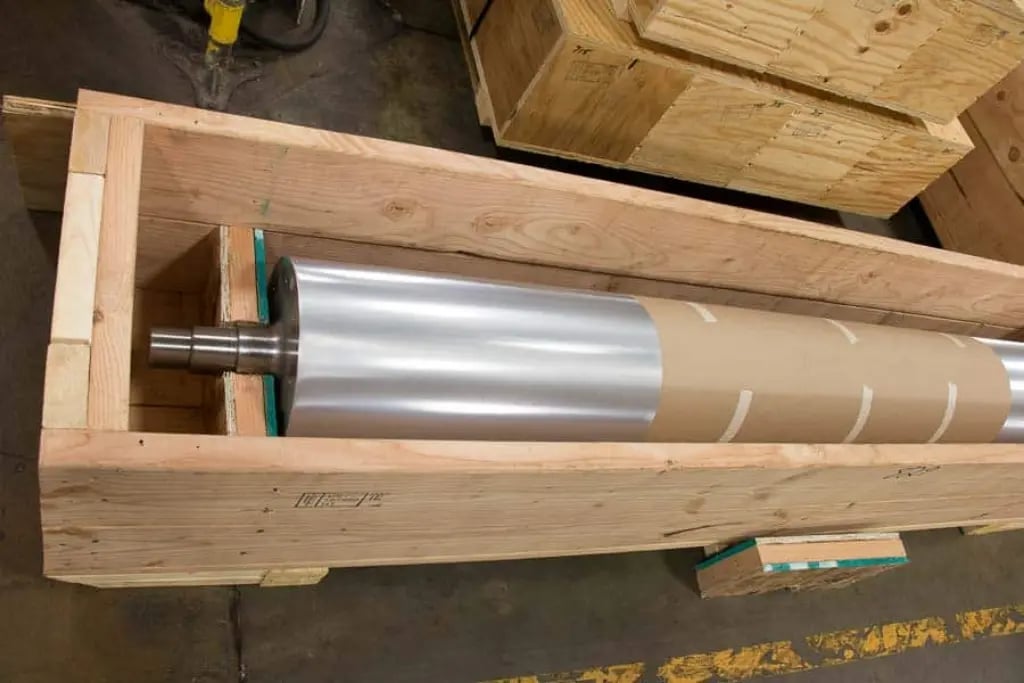
What types of custom rolls does PRS manufacture?

PRS manufactures the full range of custom industrial roll types: idler rolls (free-rotating support and guide rolls), feed rolls (driven rolls advancing the web), anvil rolls (smooth or patterned hardened opposing rolls in cutting, embossing, or compression nips), tubular construction rolls (hollow rolls with welded or bolted heads), solid steel rolls (bar-stock or forged rolls for high-load applications), fiber-filled or paper-filled rolls (specific weight and damping characteristics for converting applications), rubber-cored rolls (steel shaft with bonded rubber covering), engraved custom rolls (any base configuration with any engraving method), custom vacuum and perforated surface rolls (single-sided web contact configurations), and temperature-controlled custom rolls (internal flow path designs for thermal applications).


What plasma spray coatings does PRS offer for custom rolls?

PRS offers eight plasma spray coating options. Nickel provides dense coating with excellent corrosion resistance. Stainless steel delivers wear and corrosion resistance for chemical environments. Copper provides dense coating with good electrical conductivity. Tungsten carbide/cobalt is a dense, hard, wear-resistant coating for high-abrasion applications. Aluminum oxide is a white ceramic coating with exceptional density for wear resistance, thermal insulation, and electrical insulation. Chrome oxide is an exceptionally hard and dense ceramic coating, commonly used as the substrate for laser engraving applications. Complex oxide coatings are hard, dense ceramic blends that provide corrosion protection, wear resistance, high and low temperature stability, particle erosion resistance, and fretting wear protection. Titanium oxide is a black, dense, hard, abrasion-resistant ceramic for demanding wear applications.

What construction types does PRS offer for custom rolls?

PRS offers four primary construction types. Solid steel construction uses bar stock or forged blanks for maximum stiffness and minimum deflection under load — standard for small-diameter precision rolls, anvil rolls, and high-load applications. Tubular construction uses steel tubing with welded or bolted end caps, reducing rotating mass for large-diameter or high-speed rolls and supporting internal flow path configurations for thermal applications. Fiber-filled or paper-filled construction uses compressed fiber material inside the roll core, providing controlled weight and damping characteristics for specific converting applications. Rubber-cored construction uses a steel shaft with bonded rubber covering at custom durometer, used as the compliant roll in nip configurations.

Can PRS build replacement rolls for OEM and legacy machines?

Yes. This is one of the most common reasons customers come to PRS's custom roll capability. OEM machines age, original equipment suppliers exit the market or stop supporting older models, and plants are left needing replacement rolls without commercial sources. PRS builds replacement rolls from original OEM drawings (when available), from customer-supplied measurements of existing rolls, or from rolls supplied directly to PRS for reverse engineering. For rolls with no drawings and no existing reference, PRS's roll identification service can evaluate machine drawings, mounting configurations, and operating conditions to establish a replacement specification. Legacy roll reproduction is supported by North America's largest mechanical engraving tool library when the replacement requires reproducing an engraved cell pattern from a machine no longer commercially supported.

What materials can PRS use for custom roll construction?

PRS manufactures custom rolls from a wide range of materials selected to match operating conditions and required service life. Mild steel is the most common base material for general converting applications. Alloy steel is used where additional mechanical properties (strength, hardness, fatigue resistance) are required. Stainless steel is used in corrosive environments, food-contact applications, and pharmaceutical or medical substrate processing. Specialty alloys are available for elevated temperature operation, specific chemical compatibility, or unusual mechanical requirements. Material selection should always be made in coordination with the operating environment, surface treatment, and expected service life.

What dimensional tolerances does PRS hold for custom rolls?

Dimensional tolerances are application-specific. For precision applications — battery electrode rolls, optical film rolls, high-speed printing rolls — runout and concentricity tolerances in the tens of millionths of an inch are achievable. For standard converting rolls, tolerances typically range in the thousandths of an inch. PRS engineering specifies the appropriate tolerance for each roll based on operating speed, web sensitivity, and downstream process requirements. All custom rolls are precision-machined and dynamically balanced as a standard part of the manufacturing process.

Can PRS handle rubber covering and rubber-cored roll construction?

Yes. PRS supplies rubber-cored rolls — steel shafts with bonded rubber covering — for nip configurations across converting, printing, and laminating equipment. Rubber durometer (hardness), thickness, surface finish, and bonding method are all specified to the application. Surface finish on the rubber can range from precision-ground for tight gap nip applications to crowned or contoured for specific pressure distribution requirements.

Can PRS service and refurbish custom rolls from other manufacturers?

Yes. PRS provides service and refurbishment for custom rolls regardless of original manufacturer. Service capabilities include dimensional inspection, surface treatment renewal (re-plating, re-coating, re-rubbering, or re-spraying with plasma treatments), re-engraving for mechanical, laser, or chemical-etched surfaces, internal flow path cleaning for thermal rolls, vacuum integrity restoration for vacuum rolls, seal package replacement, journal repair, bearing fit restoration, crown profile restoration, and precision rebalancing. Service begins with a condition assessment that produces a refurb-versus-replace recommendation.

What is the typical lead time for a custom roll?

Lead times depend on roll size, construction complexity, engraving requirements (if any), surface treatment, and material availability. Standard converting custom rolls typically range from several weeks to a couple of months. Larger rolls, complex construction (controlled deflection, internal flow paths, vacuum perforation, multiple surface treatments), custom engraving operations, or specialty material requirements extend the timeline. Plasma spray coating operations add to lead time depending on the coating selected. PRS recommends engaging engineering early in the planning timeline — particularly for replacement rolls in critical service positions, where coordinating roll delivery with planned machine downtime can significantly improve plant operations.

Back to top

Connect with PRS Custom Roll Experts 

 Have a roll requirement that doesn't fit a standard catalog item? That's exactly what PRS's custom roll capability is for. Our engineering and manufacturing team works directly with you — from your drawings, your existing roll, or just your application description — to design and build the roll your line needs. Custom construction, custom engraving, vacuum and specialty surfaces, all from a single supplier.  


Request A Consultation